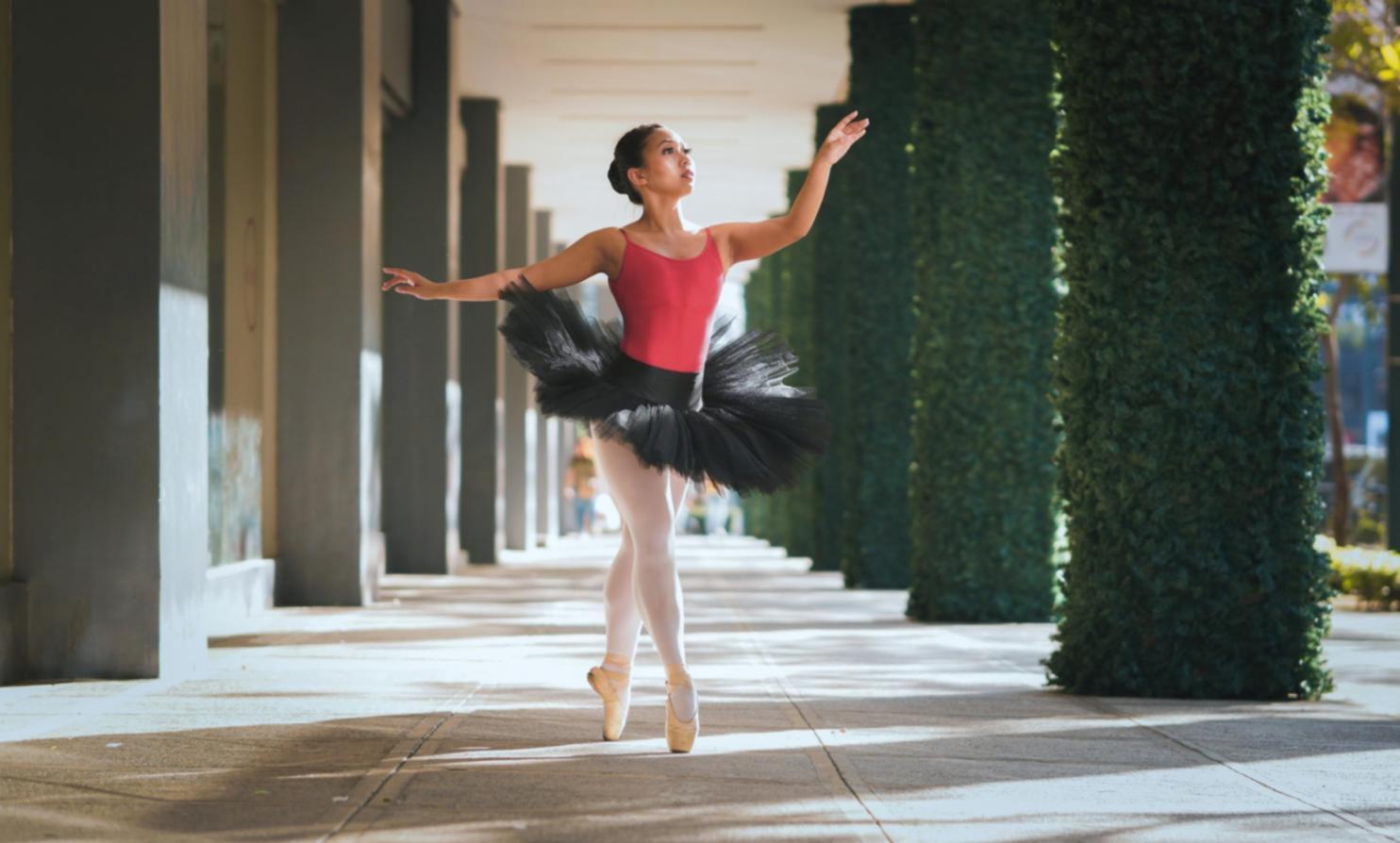
Tap dance floor with elegant wooden surface

Where Every Step Tells a Story

Teaching tap dance through innovation, precision, and the pure joy of rhythmic movement

Built by Dancers, Designed for Learners

Wendokeh started in 2023 when three tap instructors realized online education was missing something essential. The available platforms showed steps but ignored rhythm structure, timing nuances, and the musical relationship between feet and floor. After spending 18 months documenting 240 foundational techniques and developing a feedback system that analyzes audio patterns, we launched an experience that treats tap as both athletic skill and musical conversation. Every quiz adjusts to detect whether students understand syncopation versus just memorizing sequences.

Our platform now serves 1,870 active learners across 14 regions, offering 6 progressive skill tracks and 92 interactive exercises built from recordings of professional performances. Students practice with instant audio feedback that identifies timing drift within 0.03 seconds, making home practice as precise as studio sessions. The gamified progression system tracks 23 different metrics, from heel drop consistency to shuffle clarity, rewarding improvement rather than just completion. We focus on the mechanical understanding and musicality that separates competent execution from genuine artistry.

Meet the Instructors

Professional dancers and educators who turned decades of stage experience into an interactive learning system that actually listens to your footwork.

Olena Kovalenko teaching tap technique

Olena Kovalenko

Lead Curriculum Designer

Dmytro Shevchenko demonstrating rhythm patterns

Dmytro Shevchenko

Audio Analysis Specialist

Iryna Bondar reviewing student progress

Iryna Bondar

Performance Technique Coach

What Guides Our Teaching

  • waveform_path

    Rhythm Before Routine

    We prioritize musicality and timing precision over memorizing sequences. Each exercise builds the internal clock that lets dancers feel subdivisions instinctively rather than counting through patterns mechanically. Understanding polyrhythms and syncopation creates the foundation for authentic improvisation.

  • chart_bar_alt_fill

    Measured Progress Matters

    Every technique milestone includes objective measurements like contact clarity, weight transfer timing, and sound consistency across 8 repetitions. Students receive specific feedback on ankle flexibility scores, heel bounce rate, and toe articulation rather than vague encouragement. Data-driven practice eliminates guesswork from skill development.

  • speedometer

    Realistic Timelines Always

    Developing clean paradiddles takes 140 focused practice sessions on average, not 3 weeks of casual attempts. We show exact completion rates for each skill level and acknowledge that advanced syncopation requires 6 months of deliberate work. Honesty about practice requirements produces better results than inflated promises.

  • layers_alt_fill

    Technique Stacks Methodically

    Each new movement builds directly on previously mastered mechanics, creating a scaffolded path from basic flaps to complex traveling combinations. The curriculum prevents gaps by requiring 85% accuracy on foundational elements before introducing variations. Sequential skill building produces consistent quality across all students.